


Proton beam research project reaches important milestone
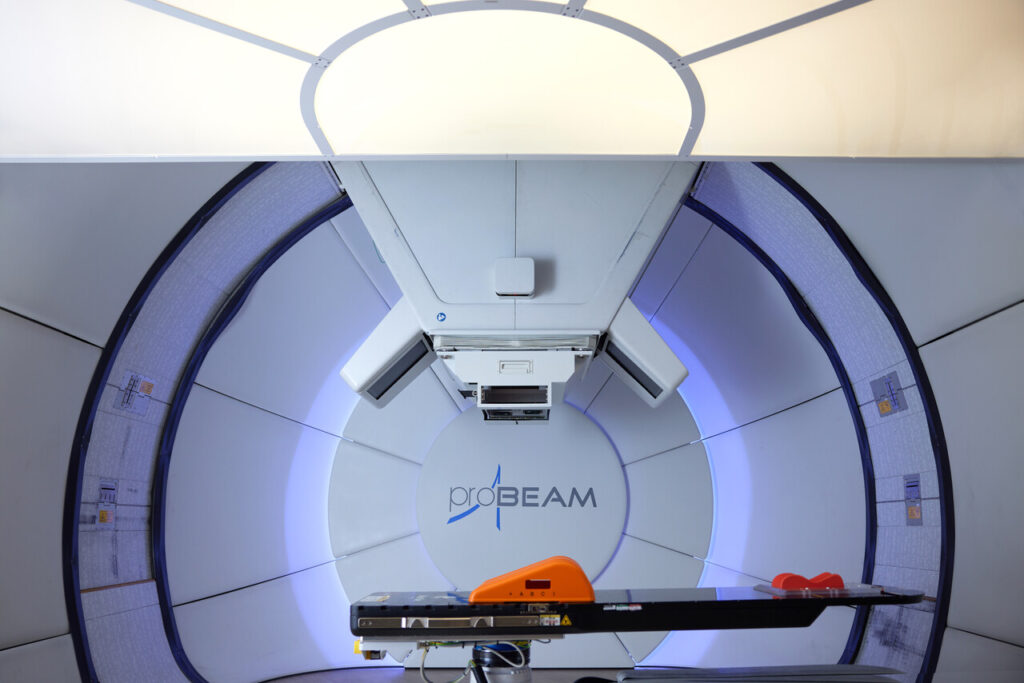
A two-year Children’s Cancer Research Fund (CCRF) research project at The University of Manchester has been completed, marking an important milestone in work to improve proton beam therapy for children with cancer. This milestone has been made possible thanks to the generosity of CCRF supporters, whose donations helped fund the two-year proton beam research project […]
£70,000 awarded to pioneer new treatment approach for aggressive childhood cancer
To mark International Clinical Trials Day (20 May), we are proud to announce our latest research grant award – pioneering research that could lay the foundations for a completely new way of treating high‑risk neuroblastoma, one of the most aggressive childhood cancers. This £70,000 research grant, supported by two other charities, Joseph’s Smile and The […]
AI-powered blood test shows promise for children and young people with Ewing sarcoma
Thanks to initial funding from the Children’s Cancer Research Fund (CCRF), researchers at the Cancer Research UK National Biomarker Centre have developed a blood test powered by artificial intelligence that could help doctors monitor children and young people with Ewing sarcoma, a type of bone and soft tissue cancer. The team, collaborating with professor of […]
First ACCR Paediatric Cancer Progress Report
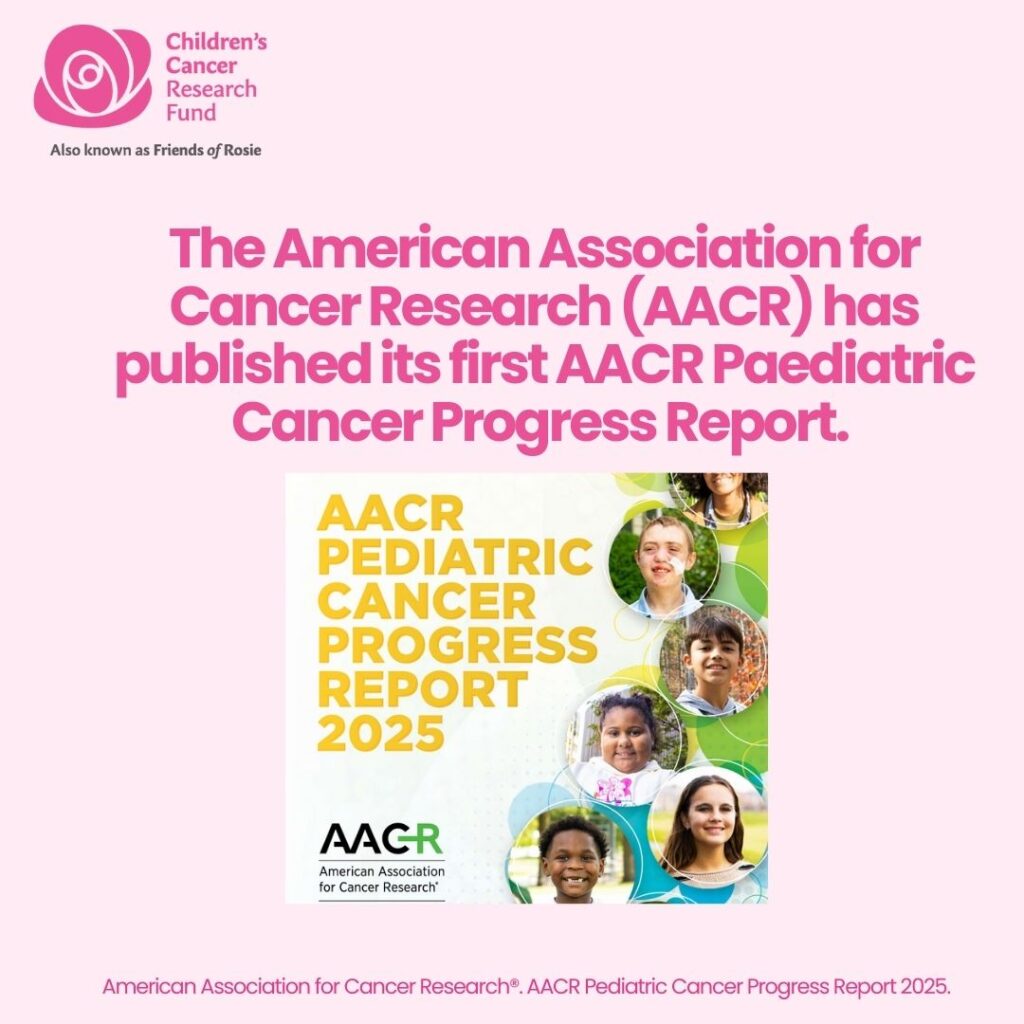
The American Association for Cancer Research (AACR) has published its first-ever Paediatric Cancer Progress Report. Decades of research and collaboration have transformed the outlook for cancers affecting children. In the United States, the overall 5-year survival rate for paediatric cancers has risen from 63% in the mid-1970s to 87% in 2015–2021. Mortality has declined by […]
Blood-tests for neuroblastoma clinical trials to guide next-generation cancer treatments.

In 2021, we were delighted to collaborate with Neuroblastoma UK on a research grant of £469,093, awarded to an international team of leading clinician-scientists to explore how blood tests (biomarker testing) could be used in clinical trials to improve outcomes for children with neuroblastoma. Professor Louis Chesler’s research grant was co-funded by Neuroblastoma UK (£454,093) […]
2025 Research Grant Call now open!
We are delighted to open a research grant call for 2025. Thanks to the support of our fantastic donors and supporters, we are now able to open a new research grant call, inviting researchers to apply for funding to help make their transformative and innovative ideas in cancer paediatrics a reality. For this grant call, […]
Exploring the impact of Proton Beam Therapy on paediatric cancers

At the start of January, Dr Amy Chadwick and Dr Emma Biglin began the second year of a research project funded by the Children’s Cancer Research Fund (aka Friends of Rosie) to explore the potential of proton beam therapy in treating paediatric cancers. Over the first year of this study, they made significant strides in […]
Neuroblastoma progress – outcomes from our research symposium
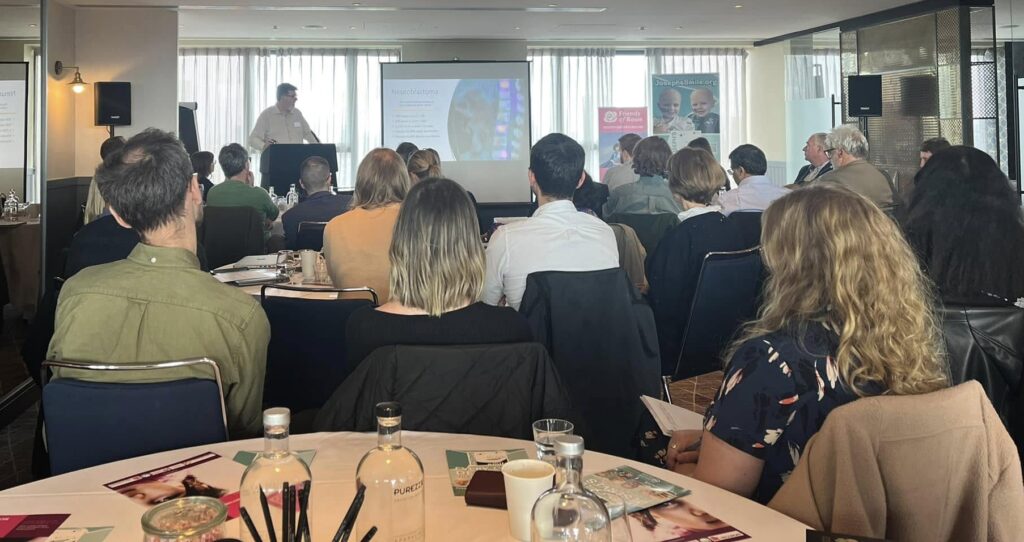
Friends of Rosie, now known as the Children’s Cancer Research Fund (CCRF), runs an international research symposium in alternate years. In September 2024, over 40 people gathered together in Manchester for the two-day scientific events titled, Theragnostics for neuroblastoma: making molecular radiotherapy work better. Here our Scientific Advisory Board Chair, Dr Mark Gaze, shares a summary […]
Proton Beam Therapy project gets funding for second year
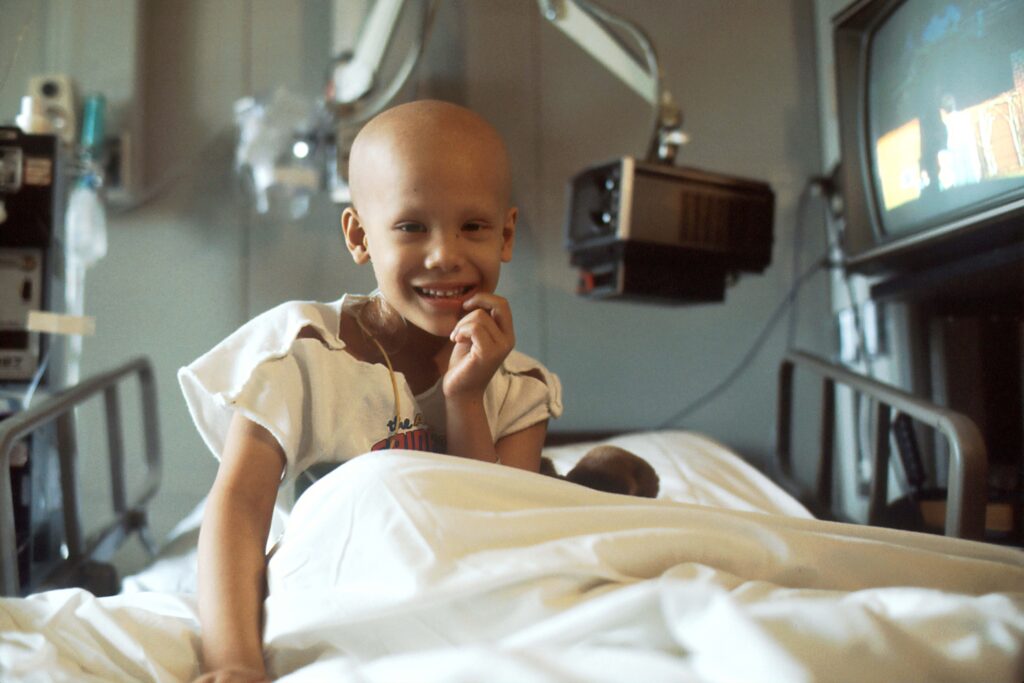
The Children’s Cancer Research Fund is funding a second year of a vital research project investigating the biology of protons used in Proton Beam Therapy (PBT) to treat sarcomas in children. This will bring the grant total for this project to £140,000. Here lead researcher, Dr Amy Chadwick, and Research Associate, Dr Emma Biglin, tell […]
Neuroblastoma symposium this September
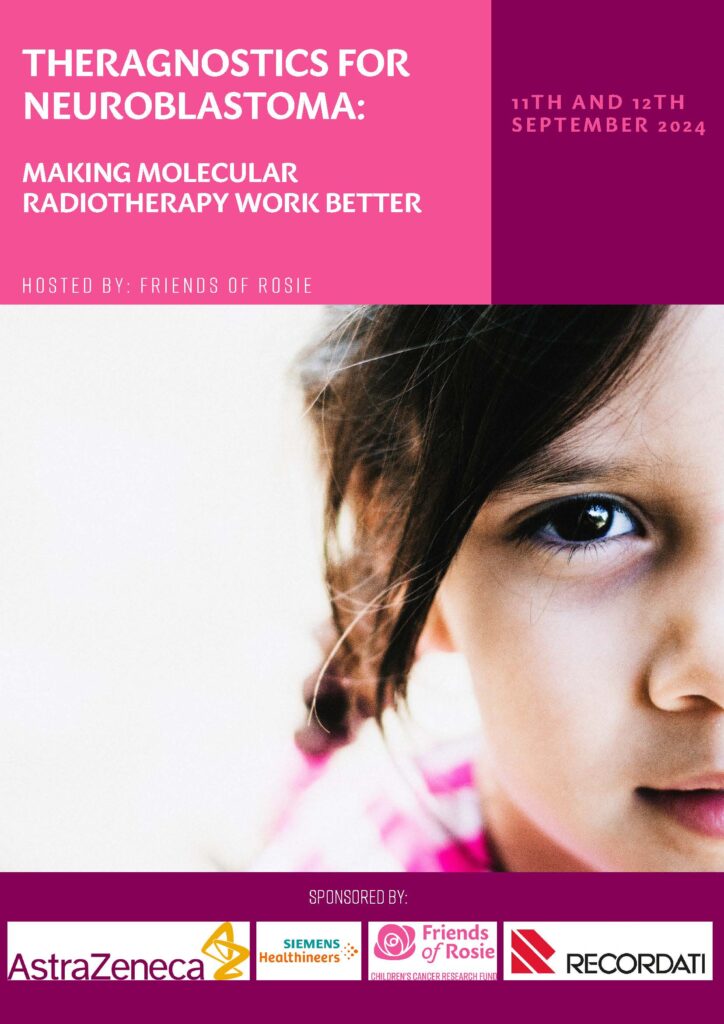
As we build up to Childhood Cancer Awareness Month in September, we are busy finalising arrangements for our second international childhood cancer research symposium. Taking place on the 11 and 12 September in Manchester, we are bringing together a focused group of 50 clinicians and scientists to discuss how we can make molecular radiotherapy work […]


