icom_donate

Donate Today

icon_get_involved

Get Involved

icon_friend

Friends of

Promising results for new blood test to detect Ewing Sarcoma

Promising results for new blood test to detect Ewing Sarcoma

Over the past two years, Friends of Rosie has funded a £145,000 research project into the use of a revolutionary new blood test to diagnose Ewing Sarcoma, a rare type of bone cancer in children. Now complete, this pioneering new research has shown promising initial results which the research team are looking to take forward as part of a wider, European study.

This collaborative project took place at the Manchester Cancer Research Centre and The Christie Hospital in Manchester. The research team included specialist biomarker researchers, Professor Caroline Dive, and Dr Dominic Rothwell, with Ewing Sarcoma focussed clinician, Dr Martin McCabe.

Friends of Rosie joined forces with two other children’s charities to fund this vital research, The Bradley Lowery Foundation and Megan’s Rose of Hope. Like Friends of Rosie, both charities aim to improve the outcomes for children with cancer.
Ewing Sarcoma
Ewing sarcoma

About Ewing Sarcoma

Ewing Sarcoma is a bone and soft tissue cancer. It affects around 70 children and young people each year in England. In about half of patients, the cancer progresses despite treatment or comes back after treatment. Very few people survive if this happens. Therefore, early identification of patients likely to relapse is a clinical need.

The survival rate of children and young people with Ewing Sarcoma has changed little in the last 40 years, despite multiple clinical trials. Major factors resulting in poor survival and lack of progress are largely due to early symptoms being non-specific, therefore tumours are frequently large and inoperable at the time of diagnosis. At present, in one in four patients, the disease has already spread to other parts of the body by the time it is detected using present methods.

Using a blood test to diagnose Ewing Sarcoma

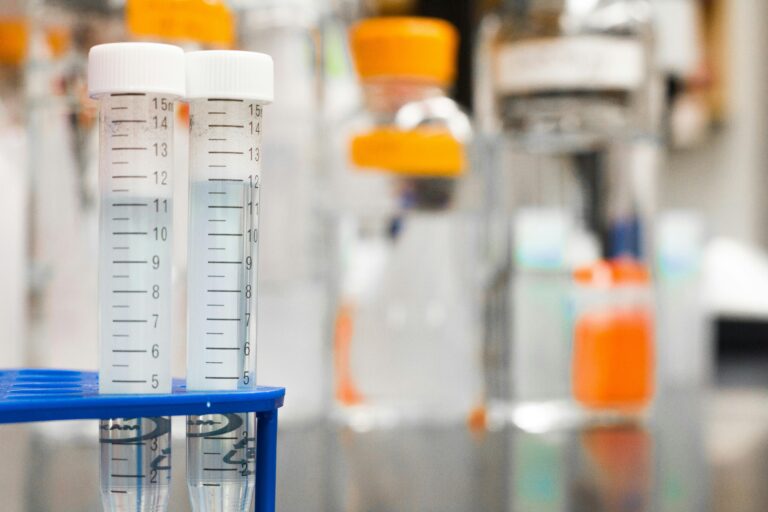
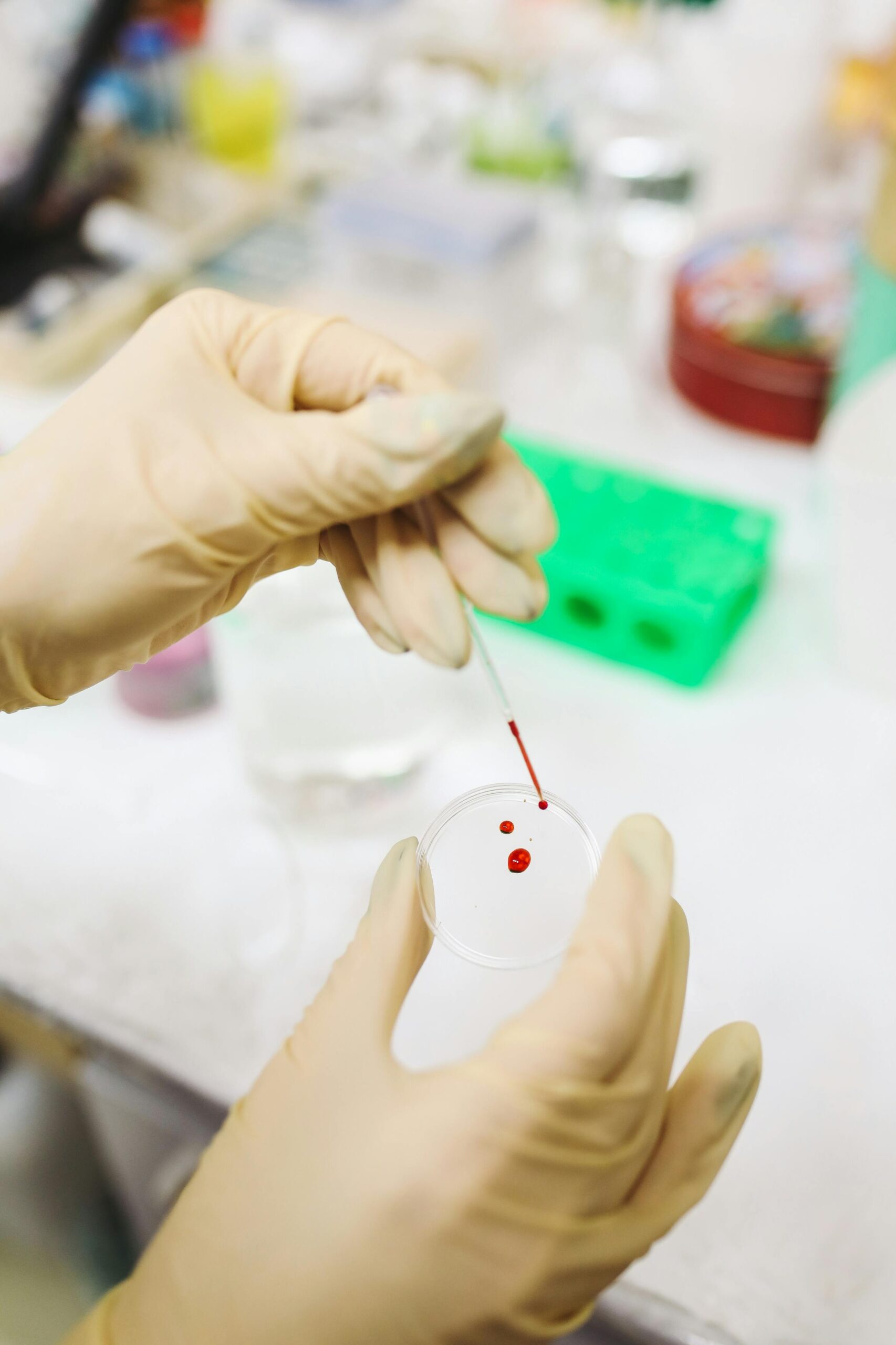
This vital Friends of Rosie project researched the development of blood tests (also known as liquid biopsies) to show whether Ewing Sarcoma treatment is working or to detect the cancer early if it comes back.

Currently, patients rely on invasive, often painful, tumour biopsies which provide only limited samples and are difficult and expensive. A blood test could instead identify quickly whether treatment is working rather than spending months giving ineffective chemotherapy. It would also be a reliable and less invasive way to monitor for disease relapse and enable earlier intervention.

How does it work?

Detecting fragments of DNA coming from cancer cells, or cell-free DNA (cfDNA) in the blood has emerged as a promising liquid biopsy in some cancers, including Ewing Sarcoma.

All Ewing Sarcomas have a specific genetic abnormality called a fusion gene.  This fusion gene is used by doctors to diagnose patients with Ewing Sarcoma.  The fusion gene turns a normal cell into a cancerous Ewing Sarcoma cell by producing growth signals that tell the Ewing Sarcoma cells to grow out of control. 

The signalling molecules are called RNA. Fusion gene RNA is detectable in the blood of patients with Ewing Sarcoma. This type of blood RNA is called ctRNA. ctRNA has potential technical advantages over cfDNA as it may be more abundant in the blood, and therefore may be more appropriate for large scale monitoring with standardized laboratory tests.

In this study, researchers aimed to develop a liquid biopsy ctRNA blood test for Ewing Sarcoma patients. Their specific objectives were to work out, firstly, which blood test tube would work best. Secondly, which type of ctRNA analysis would be most successful in comparing ctRNA and ctDNA to see which was more sensitive at picking up fusion gene copies in the blood.

The findings

Using blood from healthy donors, the team worked out that the best way to isolate ctRNA was using EDTA blood test tubes and a commercial kit called the QIAamp Circulating Nucleic Acid kit.  

They also found that a new technology called, amplicon sequencing, was better at detecting ctRNA than the previously accepted best method (called RT-qPCR). Amplicon sequencing was able to detect fusion gene ctRNA molecules when they were only present at half the lowest concentration than RT-qPCR could detect.

Researchers are now using these tests on more than 58 blood samples from over 15 Ewing Sarcoma patients. This analysis aims to detect fusion cfRNA at baseline, during treatment of the patient and at relapse.

To date, they have analysed 23 samples from five patients and have detected fusion gene ctRNA in five samples from three of those patients.  The remaining patient samples will be analysed for fusion gene ctRNA, followed by further tests of cfRNA and cfDNA.

Moving forward, the team aims to combine the RNA and DNA together to boost the sensitivity of liquid biopsy for EwS.

Nancy Dykes

Nancy Dykes

Nancy, 11, was diagnosed with rhabdomyosarcoma when she was just 2 years old. She was treated with Proton Beam Therapy (PBT) in Germany but unfortunately relapsed less than a year later. The family were then sent to Germany for a second round of PBT. Although treatment helped to cure Nancy’s cancer, she has been left with lots of lasting effects which will require ongoing treatment throughout her life. Here Nancy and her mum, Antonia, share their story in the hope it will help others, raise awareness, and raise more money for children’s cancer research.

Prof John Hickman

Prof John Hickman

Why I am a Trustee of CCRF
 
I am a relative of the Larkin family and knew Rosie Larkin ( Friends of Rosie, now CCRF) when she had and then died of neuroblastoma, aged six. At that time, I was a scientist and professor at Manchester University, actively working on the problem of why some cancers do not die despite intensive and toxic therapies.  Seeing Rosie during her unsuccessful therapy and then attending her funeral, besides being emotional, drove me to double down on my own research as well as to support the Charity as best I could as a cancer researcher. I spent over a decade as the Chairman of the Scientific Advisory Board of the CCRF, when the Board moulded policies to ensure that funds raised for research into childhood cancers were distributed only to clinicians and researchers who had the brightest ideas that could impact of cancer medicine for children.
 
My role on the Board
 
As a Trustee,  I hope that my many decades of experience in cancer research and medicine can help the CCRF determine where best the funds that are raised can be invested in cutting edge research and medicine. I am also keen that the CCRF brings together UK and international experts in science and cancer medicine to brainstorm on how best to advance the treatment of childhood cancers.
 
My Background
 
I was a Professor of Pharmacology at Manchester University, working on drug resistance in cancer. I then moved to Paris, where I still live, to head cancer drug discovery at a French pharmaceutical company (Servier). I then headed an EU consortium for six years that brought together researchers from the pharmaceutical industry, universities and biotechnology companies, from all over Europe and the UK, to improve cancer drug discovery. I continue to be active in cancer health policy, publishing in the medical literature.
Katrina

Katrina London

Why I am a Trustee of CCRF

I have spent my professional career representing individuals and families affected by the devastating asbestos-related cancer, mesothelioma, which has no cure and for which there are only a limited number of palliative treatments available on the NHS.

I joined CCRF because I wanted to bring my understanding of the need to raise awareness of less well known cancers and passion for the need to secure improved funding for research to children facing a cancer diagnosis.

My role on the Board

I am responsible for oversight of our collaboration agreements with other charities to co-fund research into cures and treatments for childhood cancers. I also manage our challenge events and help with community fundraising. 

My Background

I am a Senior Associate at Irwin Mitchell LLP and specialise in Asbestos Disease Litigation, acting on behalf of victims of asbestos related diseases and their families.  Over the years, I have undertaken a number of fundraising challenges to raise money for cancer research, including a 1000 mile cycle ride from Glasgow to Southampton.   

Carla

Carla Nuttall

Why I’m a Trustee of CCRF
 
I became a trustee of the Children’s Cancer Research Fund because I believe every child deserves the chance to grow up healthy and with everything to look forward to in life. Like many people, I’ve seen the impact cancer can have on families and I wanted to do something that could make a real difference. This started through my work as an ambassador for Cyclists Fighting Cancer, which supported young people and their families in finding strength, confidence, and joy through movement.
 
That experience shaped my understanding of the challenges families face and the importance of community-led support – but crucially, the clear need for that to go hand-in-hand with targeted research and long-term solutions.
 
This is why I’m so passionate about the work CCRF does and proud to contribute to a cause that gives children and their families, the greatest chance of living a life without limits.
 
My Role on the Board
 
I support CCRF’s mission by bringing my experience in brand, marketing, and communications to the board. My focus is on helping CCRF tell its story in a way that resonates with people – whether that’s families, researchers, donors, or the wider public. I work alongside an incredible team to strengthen CCRF’s voice, build trust, and grow awareness so that more children and families can benefit from the breakthroughs we’re helping to fund.
 
My Background
 
I’m the Executive Director of Corporate Affairs and Marketing for The Growth Company, a social enterprise dedicated to helping people, businesses, and places to thrive through its market-leading insight, employment, skills and business support.
My passion is to help the organisations I work with to communicate with clarity, purpose, and integrity. That’s why I’ve spent my career in strategic communications supporting organisations that want to make a positive difference – CCRF could not fit my sense of purpose any better.